
How Long Do Exotic Pets Live? Lifespan Guide for 10 Popular Species

Why Lifespan Matters Before Adopting
Choosing an exotic pet is not just about how fascinating they are — it is a long-term commitment that can span years or even decades. Many first-time owners are surprised to discover that their new pet will outlive their children's college years, or that a beloved companion may only live a few short years.
Understanding lifespan helps you plan financially, emotionally, and logistically. A blue-and-gold macaw can live over 60 years, meaning you may need to include them in your will. A hedgehog, on the other hand, typically lives only 3 to 5 years, which may suit someone seeking a shorter commitment.
Lifespan Guide: 10 Popular Exotic Species
Below is an in-depth look at 10 of the most popular exotic pets, including their average lifespan in captivity, what affects their longevity, and key care tips to help them thrive.
1. 🦔 Hedgehog
Lifespan: 3 – 6 years
Hedgehogs are among the shorter-lived exotic pets. In the wild they rarely exceed 3 years, but in captivity, with a proper diet and safe environment, they can reach 5–6 years. They are prone to obesity and a condition called Wobbly Hedgehog Syndrome (WHS), which can shorten their lifespan significantly.
2. 🦎 Bearded Dragon
Lifespan: 10 – 15 years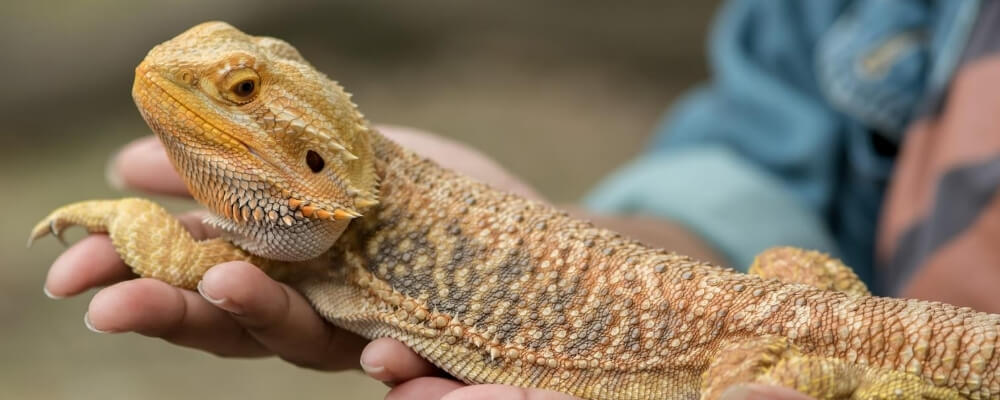
One of the most popular reptile pets, bearded dragons are known for their calm temperament and manageable size. With proper UVB lighting, a balanced diet of insects and leafy greens, and regular vet care, many live well past 10 years. The record in captivity is over 18 years.
3. 🦜 African Grey Parrot
Lifespan: 40 – 60 years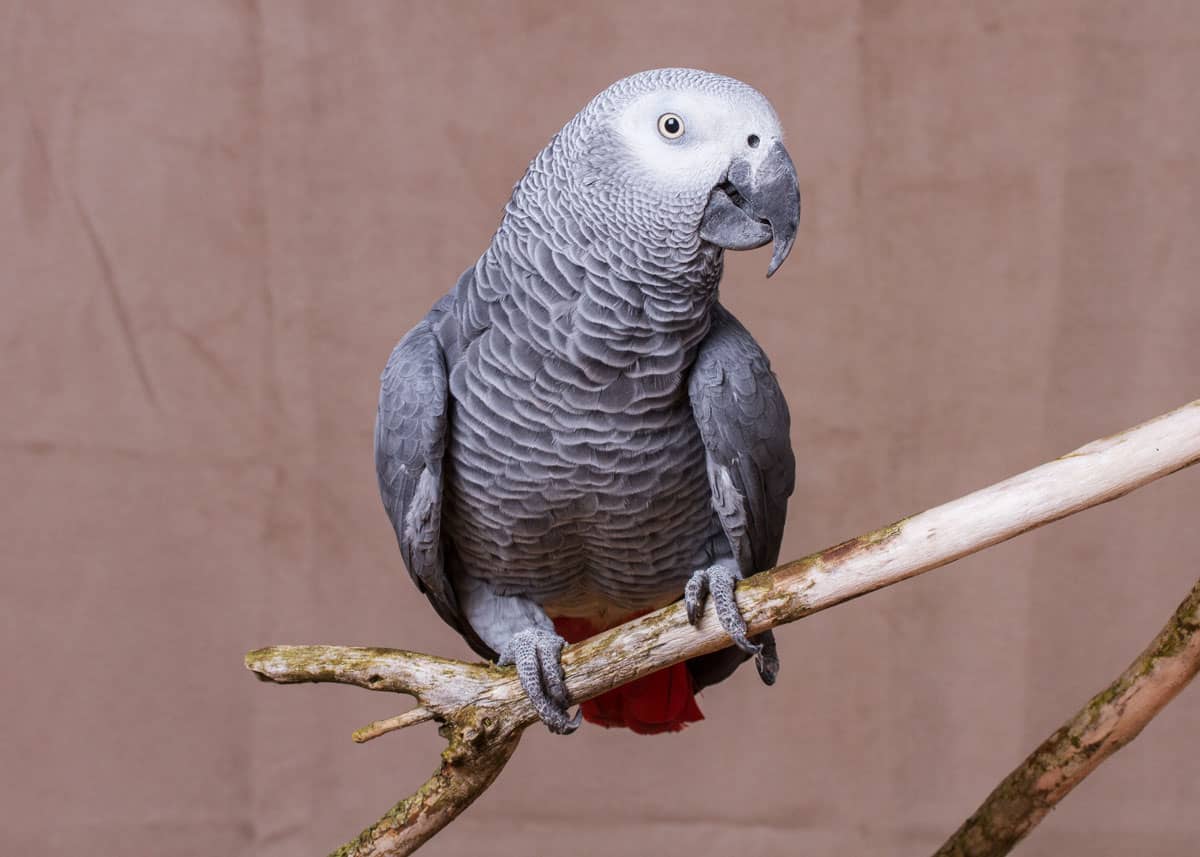
African Grey Parrots are intellectual powerhouses with extraordinary lifespans. In captivity, they routinely live 40–60 years, and some have reached 80. They are highly social, emotionally sensitive, and require daily interaction. Neglect can lead to feather plucking and stress-related illness.
4. 🐢 Sulcata Tortoise
Lifespan: 70 – 100+ yearsThe Sulcata, or African spurred tortoise, is one of the longest-lived animals you can keep as a pet. They routinely outlive their owners, with verified ages exceeding 100 years. They also grow large — up to 90 kg — meaning they require significant outdoor space as adults.
5. 🐍 Ball Python
Lifespan: 20 – 30 years
Ball pythons are one of the most popular pet snakes worldwide, prized for their docile nature. In captivity they commonly live 20–30 years, with some individuals reaching 40+ years under exceptional care. They are relatively low-maintenance once their enclosure is properly set up.
6. 🦙 Sugar Glider
Lifespan: 12 – 15 yearsSugar gliders are social marsupials that bond deeply with their owners. Kept alone they are prone to stress and depression, which shortens their lifespan. In pairs or small groups with proper diet and enrichment, they can live 12–15 years in captivity, compared to just 4–5 years in the wild.
7. 🦎 Leopard Gecko
Lifespan: 15 – 20 years
Leopard geckos are one of the best beginner exotic pets — hardy, manageable in size, and surprisingly long-lived. Males typically outlive females, with many reaching 20 years. They are nocturnal, so they require less intensive lighting than other reptiles, but heat and humidity still need careful management.
8. 🐠 Axolotl
Lifespan: 10 – 15 years
Axolotls are fascinating aquatic salamanders that retain their juvenile features throughout life — a phenomenon called neoteny. In captivity they live 10–15 years, but they are highly sensitive to water quality. Poor filtration, incorrect pH, or high temperatures can kill them within days.
9. 🐇 Chinchilla
Lifespan: 10 – 20 yearsChinchillas are one of the longest-lived small exotic mammals, often reaching 15–20 years in captivity. They are sensitive to heat and require dust baths several times per week for coat health. Their digestive systems are delicate — the wrong diet can cause fatal GI issues within hours.
10. 🐾 Ferret
Lifespan: 6 – 10 yearsFerrets are playful, mischievous, and highly social animals. Their lifespan in captivity ranges from 6–10 years, though many develop adrenal disease or insulinoma after age 4. Annual vet checkups become critical as they age.
Quick Comparison Table
Use this table to compare all 10 species side by side before making your decision.
| Species | Lifespan (Captivity) | Difficulty | Social Needs | Category |
|---|---|---|---|---|
| 🦔 Hedgehog | 3 – 6 years | Moderate | Solitary | Short |
| 🦎 Bearded Dragon | 10 – 15 years | Moderate | Low | Medium |
| 🦜 African Grey Parrot | 40 – 60 years | High | Very High | Long |
| 🐢 Sulcata Tortoise | 70 – 100+ years | High | Low | Long |
| 🐍 Ball Python | 20 – 30 years | Easy – Moderate | Solitary | Long |
| 🦙 Sugar Glider | 12 – 15 years | Moderate | High | Medium |
| 🦎 Leopard Gecko | 15 – 20 years | Easy | Low | Long |
| 🐠 Axolotl | 10 – 15 years | Moderate | Low | Medium |
| 🐇 Chinchilla | 10 – 20 years | Moderate | Moderate | Long |
| 🐾 Ferret | 6 – 10 years | Moderate | High | Short |
Factors That Affect Exotic Pet Lifespan
Genetics is only part of the equation. The biggest difference between an exotic pet living a full, healthy life or dying prematurely almost always comes down to husbandry — the day-to-day decisions you make as an owner.
1. Diet & Nutrition
Most exotic pets die young due to nutritional deficiencies or imbalances. Unlike cats and dogs, exotic species have highly specific dietary needs that generic pet store advice often gets wrong. Research your species' natural diet and replicate it as closely as possible in captivity.
2. Enclosure & Environment
Temperature, humidity, lighting, and space directly impact immune function, stress levels, and organ health. A reptile kept too cold cannot digest food properly. A parrot kept in a small cage without stimulation develops psychological disorders. Match the enclosure to the animal's natural habitat.
3. Veterinary Care
Exotic pets are prey animals by nature and instinctively hide signs of illness. By the time symptoms are visible, the condition is often advanced. Annual wellness exams with an exotic animal veterinarian can catch problems early and dramatically extend lifespan.
4. Stress Levels
Chronic stress is one of the most underrecognized killers in exotic pet keeping. Inadequate hiding spaces, incorrect handling, loud environments, or incompatible tank mates can suppress immune function and shorten life by years.
5. Genetics & Source
Animals sourced from reputable breeders who prioritize health over appearance tend to live longer than those from mass-production operations. Always choose captive-bred individuals from reputable sources.
Frequently Asked Questions
Final Thoughts
Adopting an exotic pet is one of the most rewarding decisions you can make — but only when you go in with realistic expectations. Lifespan is one of the most critical factors to research before bringing any animal home.
A 6-week-old African Grey parrot could be your companion for the next 50 years. A sulcata tortoise hatchling might outlive your grandchildren. And a hedgehog, while short-lived, can bring tremendous joy in its few years of life.
Whatever species you choose, commit fully to their care. Learn their specific needs, find a qualified exotic vet, and build an environment where they can genuinely thrive.


0 Comments