
Monthly Cost of Owning an Exotic Pet: Budget Breakdown by Species


The Real Cost of Exotic Pet Ownership
One of the biggest mistakes new exotic pet owners make is only thinking about the purchase price. A bearded dragon hatchling might cost $50 at a reptile expo — but the proper enclosure, lighting, heating, and first-year vet visit can add up to over $600 before you've bought a single meal for your new pet.
This guide breaks down the true monthly cost of owning 7 of the most popular exotic species, so you can plan your budget honestly and avoid the financial surprises that lead too many exotic pets to be surrendered or neglected.
What Are You Actually Paying For?
Exotic pet costs fall into two main buckets: one-time startup costs and recurring monthly expenses. Here is what makes up each category:
Enclosure & Setup
Tank, terrarium, or cage. Heating pads, UVB bulbs, thermometers, hides, substrate. One-time cost but bulbs and substrate need replacing.
Food & Supplements
Live insects, fresh produce, pellets, frozen prey, vitamins and calcium powder. Varies widely by species and appetite.
Electricity
Heating lamps, UVB lighting, and filters run 24/7. Reptiles and aquatic species add $10–$30/month to your electricity bill.
Veterinary Care
Annual wellness exam: $60–$150. Exotic vets are specialists — their rates are higher than regular vet clinics. Budget monthly for this.
Enrichment & Toys
Wheels, tunnels, chew toys, foraging puzzles. Often overlooked but essential for mental health, especially in social species.
Consumables
Bedding, substrate, litter, cleaning supplies, dust bath powder. Replaced weekly or monthly depending on species.
Monthly Cost Breakdown by Species
Below are detailed monthly budgets for 7 popular exotic species, based on real market prices. Ranges reflect basic vs. premium care levels.
Bearded Dragon
$70 – $120 / month Startup: $400 – $700
| Food (insects + veggies) | $25 – $45 |
| Calcium & vitamin D3 | $5 – $10 |
| Electricity (UVB + basking bulb) | $15 – $25 |
| Substrate replacement | $5 – $10 |
| Vet fund (annual ÷ 12) | $10 – $15 |
| Miscellaneous | $5 – $10 |
| Total Monthly Estimate | $65 – $115 |
Leopard Gecko
$30 – $60 / month Startup: $200 – $400
| Food (mealworms, crickets) | $10 – $20 |
| Calcium supplement | $3 – $5 |
| Electricity (under-tank heater) | $5 – $10 |
| Paper towel / substrate | $2 – $5 |
| Vet fund (annual ÷ 12) | $8 – $12 |
| Miscellaneous | $3 – $8 |
| Total Monthly Estimate | $31 – $60 |
Ball Python
$40 – $80 / month Startup: $300 – $600
| Food (frozen mice / rats) | $10 – $20 |
| Electricity (heating + thermostat) | $10 – $20 |
| Substrate (coconut fiber) | $5 – $10 |
| Humidity maintenance | $3 – $8 |
| Vet fund (annual ÷ 12) | $8 – $12 |
| Miscellaneous | $5 – $10 |
| Total Monthly Estimate | $41 – $80 |
Hedgehog
$50 – $90 / month Startup: $200 – $450
| Food (kibble + insects) | $15 – $25 |
| Electricity (ceramic heater) | $10 – $18 |
| Bedding replacement | $8 – $14 |
| Enrichment / wheel | $3 – $8 |
| Vet fund (annual ÷ 12) | $10 – $15 |
| Miscellaneous | $5 – $10 |
| Total Monthly Estimate | $51 – $90 |
Chinchilla
$60 – $110 / month Startup: $350 – $700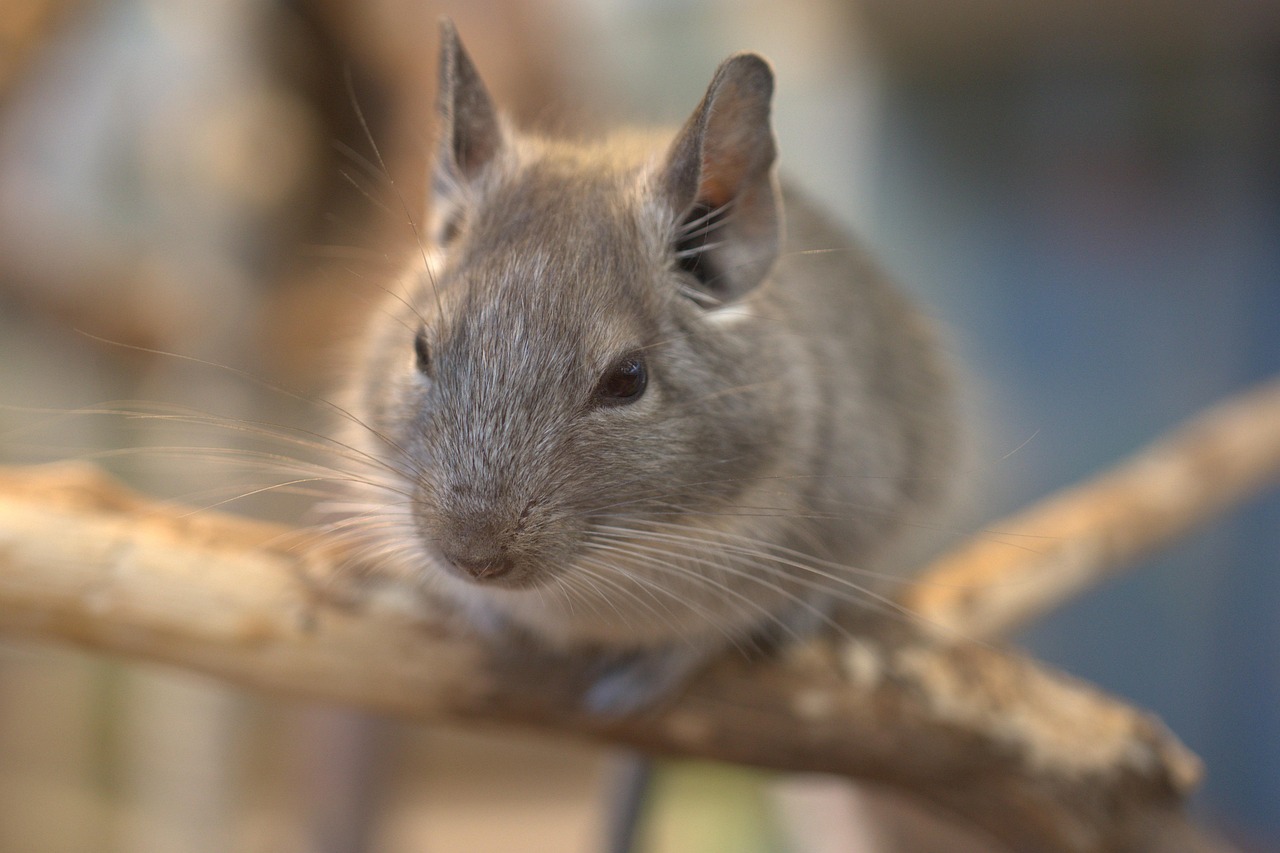
| Food (hay, pellets, treats) | $15 – $25 |
| Dust bath powder | $8 – $15 |
| Bedding & cage liners | $10 – $18 |
| Chew toys & enrichment | $5 – $12 |
| Vet fund (annual ÷ 12) | $10 – $15 |
| Miscellaneous | $5 – $10 |
| Total Monthly Estimate | $53 – $95 |
Sugar Glider
$80 – $150 / month Startup: $400 – $800
| Food (BML / TPG diet + fruits) | $25 – $45 |
| Electricity (heating pouch) | $10 – $18 |
| Cage liners & cleaning | $10 – $15 |
| Pouches, toys & enrichment | $10 – $20 |
| Vet fund (annual ÷ 12) | $12 – $18 |
| Miscellaneous | $5 – $10 |
| Total Monthly Estimate | $72 – $126 |
Ferret
$100 – $200 / month Startup: $450 – $900
| Food (high-protein / raw diet) | $30 – $60 |
| Litter & bedding | $15 – $25 |
| Toys & enrichment | $10 – $20 |
| Vet fund (specialist after age 3) | $20 – $40 |
| Supplements & medications | $10 – $25 |
| Miscellaneous | $8 – $15 |
| Total Monthly Estimate | $93 – $185 |
Full Comparison Table
A side-by-side look at all 7 species including startup cost, monthly cost, and overall affordability rating.
| Species | Startup Cost | Monthly Cost | Annual Total | Budget Level |
|---|---|---|---|---|
| Leopard Gecko | $200 – $400 | $30 – $60 | ~$560 – $1,120 | Low |
| Ball Python | $300 – $600 | $40 – $80 | ~$780 – $1,560 | Low |
| Hedgehog | $200 – $450 | $50 – $90 | ~$800 – $1,530 | Medium |
| Bearded Dragon | $400 – $700 | $65 – $115 | ~$1,180 – $2,080 | Medium |
| Chinchilla | $350 – $700 | $53 – $95 | ~$986 – $1,840 | Medium |
| Sugar Glider | $400 – $800 | $72 – $126 | ~$1,264 – $2,312 | Medium |
| Ferret | $450 – $900 | $93 – $185 | ~$1,566 – $3,120 | High |
How to Save Money Without Sacrificing Care
1. Buy Supplies in Bulk
Feeder insects, frozen prey, hay, and bedding are dramatically cheaper from online specialty suppliers than local pet stores. A bag of 500 crickets online costs roughly the same as 50 at a pet store.
2. DIY Enrichment
Cardboard tubes, clean egg cartons, untreated wooden branches, and paper bags make excellent enrichment for many exotic species. You do not always need expensive store toys to keep your pet mentally stimulated.
3. Find an Exotic Vet Before an Emergency
Emergency exotic vet visits at off-hours can cost 3–4 times the price of a standard appointment. Establishing a relationship with an exotic vet and scheduling annual checkups reduces overall costs significantly.
4. Consider Exotic Pet Insurance
For health-prone species like ferrets, parrots, and chinchillas, exotic pet insurance can be a game-changer. Monthly premiums of $20–$50 can cover 70–80% of specialist and emergency vet bills.
5. Adopt Before You Shop
Many exotic pets end up in rescues because their owners could not afford continued care. Adopting from a rescue is often free or low-cost, and many rescues include starter enclosure equipment — saving you hundreds in setup costs.
Frequently Asked Questions
Final Thoughts
Owning an exotic pet is an incredibly rewarding experience — but it is also a genuine financial commitment. The species you choose will determine not just your lifestyle, but your monthly budget for the next 5 to 80 years.
If you are on a tight budget, start with a leopard gecko or ball python — both are affordable, long-lived, and beginner-friendly. If you have more financial flexibility, ferrets and sugar gliders offer extraordinary bonds — just go in with your eyes open about the costs involved.
Whatever you choose, budget honestly, build an emergency fund, and find an exotic vet before you need one. That is how you give any exotic pet the life it truly deserves.


)
0 Comments